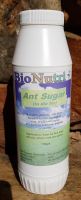
Tobacco dust is a by-product of agro-industrial waste from the commercial processing of tobacco products.
It is widely used by farmers to deter pests in fields and as a fertilizer. It is usually mixed with compost, lime powder, or black pepper to increase its potency and effectiveness.
Despite its impact on agriculture, tobacco dust remains unpopular since it is not sold commercially in most parts of the world.
Tobacco dust is also not recommended for use in some countries because improper use can lead to health risks to farmers.
Roles of Tobacco Dust in Agriculture and Aquaculture
If tobacco is one of the major causes of serious health conditions in humans, its role in plants is another story.
Tobacco dust serves as the following:
1. Fertilizer
Tobacco dust contains 2.35% nitrogen(N), 937ug/g phosphorus(P), and 1.95% potassium(K) which essential plant nutrients that you can find in commercial fertilizers.
It is rich in organic content that enhances the soil environment by replenishing the lost nutrients from plant development.
Tobacco dust also helps increase the oxygen in the soil and increases the PH levels in the soil for optimal plant performance.
The high levels of nitrogen content in tobacco dust mixed with compost promote healthy plant growth in vegetables and plants. It is even considered an inexpensive natural fertilizer that leaves no chemical residue in the soil.
2. Pesticide
Tobacco dust is more popular for being an insecticide than a fertilizer. It is a traditional organic insecticide due to its nicotine content.
Insects and slugs hate the smell of nicotine. It is used as early as the 19th century to control the following pests:
- Aphids
- Peachtree borers
- Leaf roller
- Garden centipede
- Gophers
- Moles
- Spider mites
- Fleas
- Thrips
- Gnats
![]()
Tobacco dust is usually mixed with water and black pepper to create a tobacco dust spray.
Some farmers burn some barks of wood and tobacco dust to serve as fumigation for infested gardens.
3. Molluscicide
The nicotine content in tobacco dust is effective in controlling snails and parasites associated with it in rice fields and fish ponds.
It helps control the following pests:
- Brackish water pond snails
- Golden apple snails
- Parasitic trematodes
4. Pond Sterilizer
Tobacco dust is also used to clear parasites that attack fingerlings and plant foods in fish ponds.
When ponds are empty for cleaning, farmers use tobacco dust to kill predator organisms that harm stock fingerlings.
This process ensures that the plant food for fingerlings remains abundant for their healthy development.
The nitrogen content in tobacco dust also helps boost the growth of planktons in fish ponds which are the main food of growing fingerlings.
While tobacco dust has a lot of benefits, it also poses some risks for both plants and humans.
You should avoid using tobacco dust in tomatoes, potatoes, and peppers since tobacco can be a carrier of tobacco mosaic virus to your plants.
You should also apply tobacco dust to any tobacco mixture in the early development of plants as the nicotine content can stay on the edible plants for weeks.
It can also be toxic to some beneficial insects so apply it where there are less beneficial insects on sight.
One of the reasons why tobacco dust is not commercially available in most countries is the health risks associated with it. Though it is an organic fertilizer and pesticide, its nicotine content is highly toxic to humans and pets if inhaled or applied to the skin.
However, the risk is only at its peak when the tobacco dust solution is still wet and the dust is still in the air.
The plant or lawn area becomes safe from toxicity once the tobacco dust solution is all dried up.
If you are planning to use tobacco dust on your lawn or plants, make sure to cover yourself from head to toe to keep you safe from the toxic effects of nicotine.
You should also keep your kids or pets away from the treated area until it all dries up.
How To Use Tobacco Dust For Lawn Care?
There are two ways to apply tobacco dust to your lawn. Check the first method below:
Method #1
Materials:
- 1 gallon of hot water
- 1 cup of tobacco dust
- 1 bucket
- 1 teaspoon dish soap
- strainer
- Cheesecloth
- Garden spray
Mixture directions:
- Boil 1 gallon of hot water and transfer it to a bucket
- Mix 1 cup of tobacco dust into the hot water and soak it overnight to extract the nicotine from the tobacco dust.
- The next day, mix the 1 teaspoon of dish soap to the solution to help the solution stick to the leaves of your grass.
- Strain the tobacco dust using the strainer and cheesecloth.
- Transfer the solution to your garden spray.
![]()
Lawn application directions:
- Wear safety equipment such as a long-sleeved shirt, pants, face mask, and shoes before applying the solution to your lawn.
- Apply the tobacco dust solution to your lawn when it’s not windy. You should also keep your kids and pets away from the treated area.
- Once done applying the solution, leave it to dry.
-
Method #2 (For Empty Lawns)
Materials:
- 40 grams of tobacco dust
- Rake
- Water
- Safety gloves and mask
Directions:
- Sprinkle the tobacco dust in your lawn. Make sure you are wearing a pair of gloves, a long-sleeved shirt, and a mask.
- Then, rake the top layer of the soil to mix it with tobacco dust.
- Once done, water the lawn thoroughly to let the nutrients from the tobacco dust seep into the soil.
How To Use Tobacco Dust As an Insecticide To Other Plants
Since tobacco dust is not only beneficial to your lawn, we will also share how you can use it on pest infestation in your plants.
![]()
1. Using Tobacco Dust for Controlling Aphids
Aphids are among the notorious pests in plants that can attract other pests in your garden.
If you noticed a group of ants in plants like tomatoes, it’s more likely that they are attracted to the pest that damages your plants.
Oftentimes, ants are misunderstood as part of the pest infestation. However, they are only attracted to the honeydew that aphids extract from the plants.
To prevent more pests from flocking in your garden, here’s how you can control aphids:
Materials:
- 1 cup compost
- 1 cup powdered garlic
- 1 cup of tobacco dust
- 1 bucket
- A pair of gloves
Directions:
- Mix the powdered garlic and tobacco dust in a bucket.
- While wearing your gloves, mix the compost with the mixture of garlic and tobacco dust.
- Place the mixture at the base of your plants. Aphids hate the smell of nicotine and garlic.
2. Using Tobacco Dust for Peach Tree Borers ![]()
While wearing safety equipment, sprinkle the tobacco dust around the trees to get rid of the peach tree borers. Avoid staying in the area until the dust in the air settles.
3. Using Tobacco Dust for Leaf Rollers
Leafrollers are small caterpillars that create nests in a plant by rolling the leaves.
Though they don’t pose a lot of risks to the plant, they can cause defoliation over time.
To prevent further damage to your plant, here’s how you ca